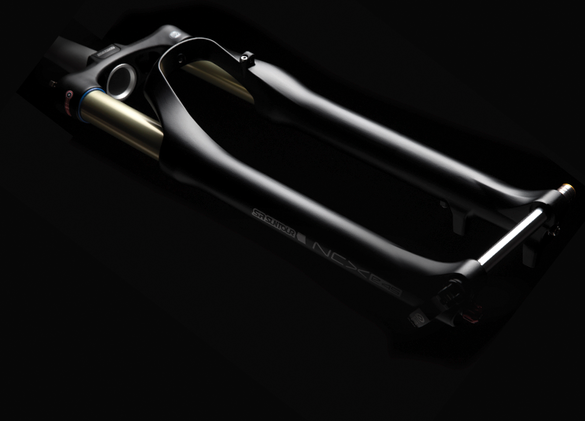
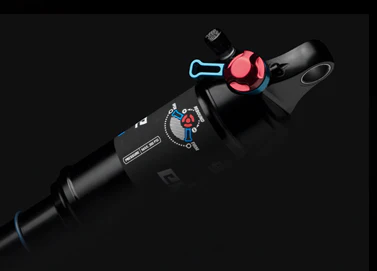
REDBULL RAMPAGE 2025
Robin Goomes 1st & Thomas Genon 2nd
For website owners, targeting such a keyword can drive highly targeted traffic. Even if only ten people per month search for this exact phrase, those ten are far more likely to engage with content that addresses their specific need than the thousands searching for a broad term like “adult videos.”
If you require specific of successful modern media campaigns?
Ultimately, better entertainment content does not have to exist in opposition to popular media. When structural incentives align to reward risk-taking and genuine human expression, popular culture becomes richer, more inclusive, and vastly more entertaining.
Algorithms drive modern digital platforms, prioritizing engagement over artistic merit. Metrics like watch time, click-through rates, and social media trends dictate which projects receive funding and promotion. This ecosystem often favors formulas that provoke immediate emotional reactions, leading to a media landscape filled with predictable sequels, reboots, and sensationalized formats.
In short: consuming better media is a form of mental health hygiene. Consuming algorithmic sludge is a form of self-harm.
For entertainment content to improve, platforms must balance algorithmic predictions with human curation, allowing room for serendipity, artistic risk, and unexpected narratives. Rising Demand for Authenticity and Depth
are moving away from releasing vast amounts of filler content. Limited Series Dominance
Content that fosters empathy and understanding is gaining popularity, proving that diversity isn't just a trend, but a necessity for long-term relevance. 2. Intellectual Stimulation and Quality Production
Moreover, research on empathy, altruism, and aggression provides insights into why some individuals engage in acts considered evil. Factors such as upbringing, societal influences, and individual personality traits can contribute to a person's propensity to harm others.
The Golden Age of entertainment has officially evolved into the Age of Overflow. Today, audiences have immediate access to millions of hours of movies, shows, podcasts, and video games. Yet, a growing sentiment among consumers is that finding truly high-quality, memorable content has never been more difficult. The friction between "better entertainment content" and what currently dominates "popular media" highlights a critical shift in how art is made, distributed, and consumed. The Friction Between Quality and Popularity
















For website owners, targeting such a keyword can drive highly targeted traffic. Even if only ten people per month search for this exact phrase, those ten are far more likely to engage with content that addresses their specific need than the thousands searching for a broad term like “adult videos.”
If you require specific of successful modern media campaigns?
Ultimately, better entertainment content does not have to exist in opposition to popular media. When structural incentives align to reward risk-taking and genuine human expression, popular culture becomes richer, more inclusive, and vastly more entertaining.
Algorithms drive modern digital platforms, prioritizing engagement over artistic merit. Metrics like watch time, click-through rates, and social media trends dictate which projects receive funding and promotion. This ecosystem often favors formulas that provoke immediate emotional reactions, leading to a media landscape filled with predictable sequels, reboots, and sensationalized formats.
In short: consuming better media is a form of mental health hygiene. Consuming algorithmic sludge is a form of self-harm.
For entertainment content to improve, platforms must balance algorithmic predictions with human curation, allowing room for serendipity, artistic risk, and unexpected narratives. Rising Demand for Authenticity and Depth
are moving away from releasing vast amounts of filler content. Limited Series Dominance
Content that fosters empathy and understanding is gaining popularity, proving that diversity isn't just a trend, but a necessity for long-term relevance. 2. Intellectual Stimulation and Quality Production
Moreover, research on empathy, altruism, and aggression provides insights into why some individuals engage in acts considered evil. Factors such as upbringing, societal influences, and individual personality traits can contribute to a person's propensity to harm others.
The Golden Age of entertainment has officially evolved into the Age of Overflow. Today, audiences have immediate access to millions of hours of movies, shows, podcasts, and video games. Yet, a growing sentiment among consumers is that finding truly high-quality, memorable content has never been more difficult. The friction between "better entertainment content" and what currently dominates "popular media" highlights a critical shift in how art is made, distributed, and consumed. The Friction Between Quality and Popularity