
RetroArch is a modular program that runs emulators and games within its framework as if they were 'plugins'.
These plugins are called 'cores', and you need to install them inside RetroArch to be able to use them.
These cores can also be used in other programs that implement the Libretro Application Programming Interface (API).
Both Libretro and RetroArch were made by the same developers, and RetroArch serves to demonstrate Libretro's power and scope.
: Japan maintains one of the world's oldest and most productive film industries. As of 2022, it ranked fourth globally in feature film production (634 films) and third in box office revenue Gaming & Interactive Media
What is your "gateway drug" into Japanese culture? Was it the video games, the music, or the weird TV? Drop a comment below.
Unique Cultural Mechanics: Galápagos Syndrome and Otaku Culture
Conversely, Japan’s post-war economic miracle positioned it as a global leader in technology. This tech-forward mindset birthed the cyberpunk aesthetic, pioneered through landmark works like Akira and Ghost in the Shell . The entertainment industry thrives in this tension, utilizing advanced digital tools to tell deeply rooted, culturally specific stories. The Pillars of Japanese Entertainment
While the exact video is difficult to verify through standard search engines, the product ID has a documented history in online adult forums. According to archival data from collector communities, FC2 PPV 1187751 is actually a two-part video.
In recent years, the industry has birthed Virtual YouTubers (VTubers)—online entertainers who use real-time motion-tracking avatars. Agencies like Hololive and Nijisanji have transformed VTubing into a global entertainment sector, racking up millions of superchats, merchandise sales, and digital concert ticket purchases from fans across the globe. "Cool Japan" and the Soft Power Mechanics
To help expand this topic further, tell me if you want to focus on , biographical details of key creators , or a comparison with South Korea's entertainment wave . Share public link
Two archetypes dominate Japanese entertainment: the overworked salaryman (e.g., Tora-san film series, Shin Godzilla ’s bureaucratic satire) and the schoolgirl (e.g., Sailor Moon , Your Name ). The former reflects post-bubble economic anxiety; the latter navigates seishun (youth) as a site of both freedom and constraint. Both archetypes ritualize giri (social duty) versus ninjo (personal desire).
Unlike Western pop stars, who are often marketed on finished perfection, Japanese idols are marketed on growth. Fans invest emotionally and financially in an idol's journey from a flawed beginner to a polished star. Groups like AKB48 pioneered this "idols you can meet" concept through handshake events, creating an intensely loyal, highly monetized fanbase. 4. Live-Action Cinema and Television
In the 2000s, the Japanese government recognized this cultural capital and formalized it into the initiative. This state-backed strategy treats entertainment as a primary tool of "soft power"—using cultural influence rather than economic or military might to build global goodwill and diplomatic ties.
RetroArch/Libretro has over 200 cores, and the list keeps expanding over time. These include game engines, games, multimedia programs and emulators.
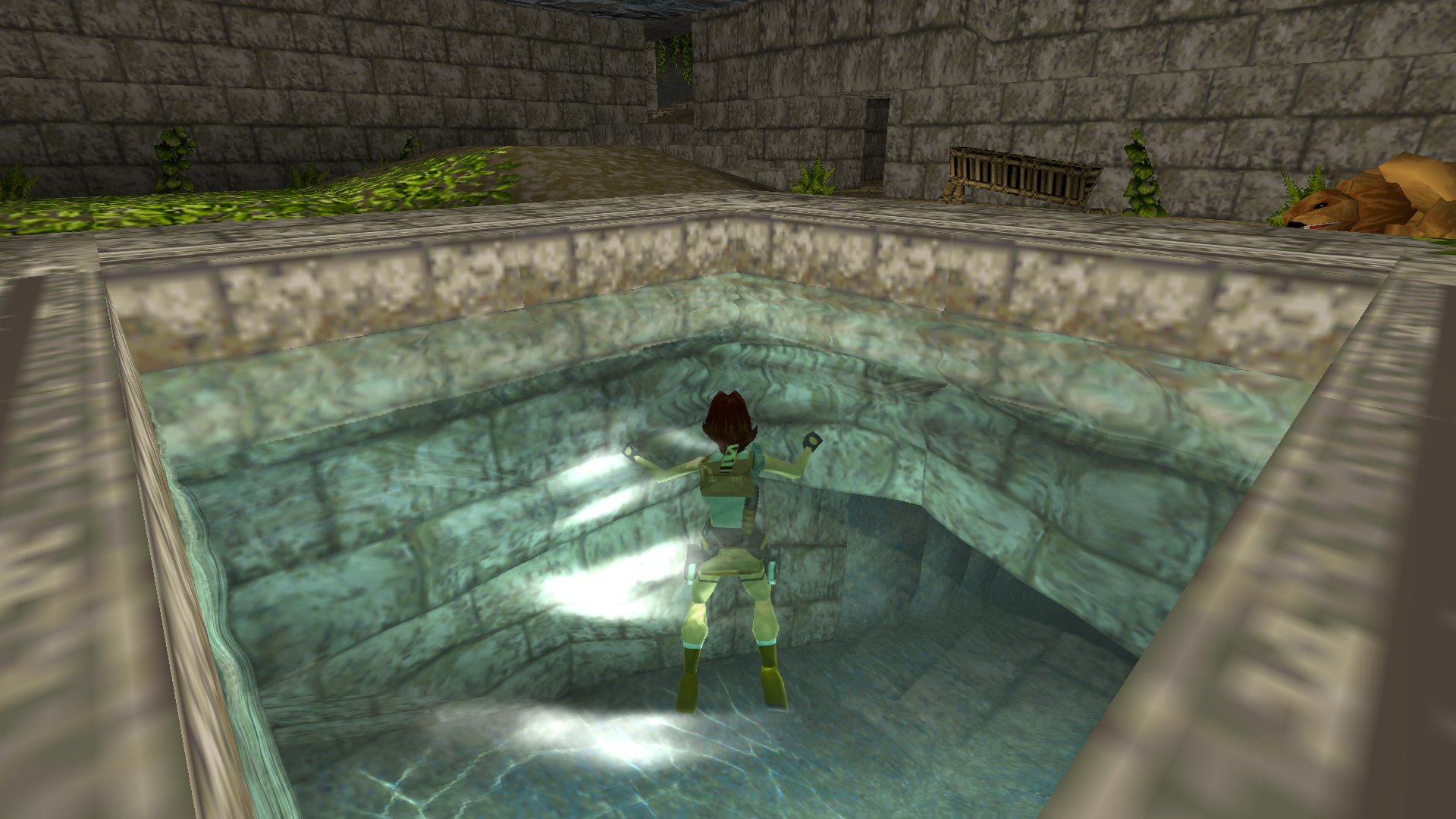
OpenLara is an early Tomb Raider game engine recreation.
Core available now for Windows/Linux.
For more information, read our article on this release here. : Japan maintains one of the world's oldest
It uses the original data files in order to work. What is nice about this one is that it has some very fancy graphics effects added on top of the old game engine without it resulting in any stylistic clashes.
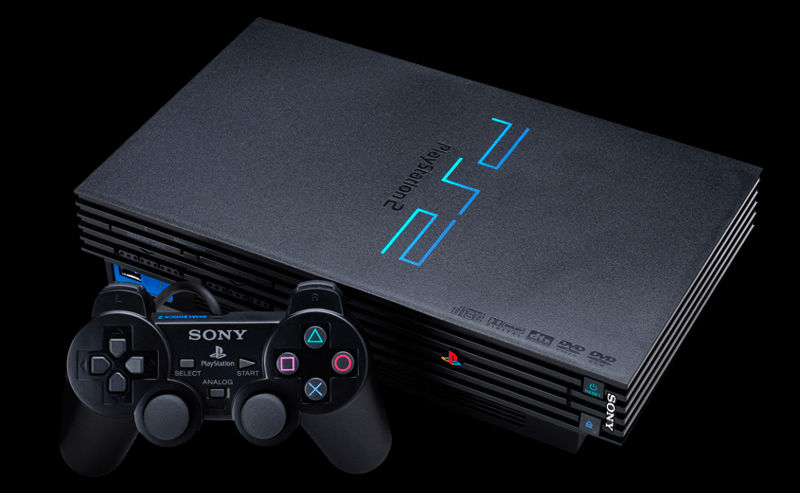
LRPS2 is a PlayStation2 emulator. It has a brand-new Vulkan-powered LLE renderer called ParaLLEl GS.
ParaLLEl-GS' goal is to be as accurate as software rendering but using the GPU instead of the CPU. Thanks to this we can also do enhancements which would be too slow to do on software, such as supersampled antialiasing and other enhancements. Drop a comment below
For more information, read our article on this release here.

DOSBox Pure is an easy-to-use plug and play version of DOSBox written specifically for Libretro/RetroArch. It supports MS-DOS and Windows 9x games. You can use savestates and even rewind. Automatic game detection with custom gamepad to keyboard mapping for many DOS games.
For more information, read our article on this release here. Unlike Western pop stars
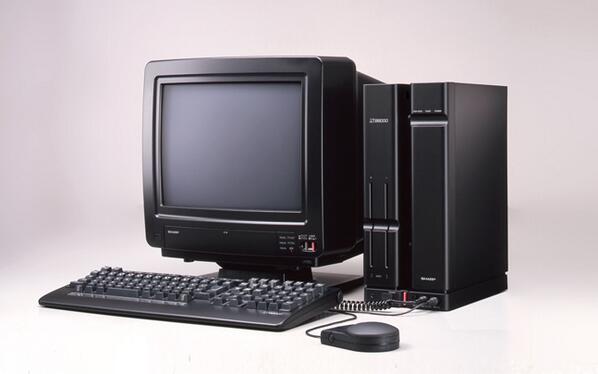
PX-68K is a Sharp X68000 emulator. This is a Japanese home computer from the late '80s/early '90s that was used by Capcom as devkits for their arcade games. It played host to many popular games from the likes of Namco, Konami and Capcom.
Core available now for Windows, macOS, Linux, Android and iOS.
For more information, read our article on this release here.
: Japan maintains one of the world's oldest and most productive film industries. As of 2022, it ranked fourth globally in feature film production (634 films) and third in box office revenue Gaming & Interactive Media
What is your "gateway drug" into Japanese culture? Was it the video games, the music, or the weird TV? Drop a comment below.
Unique Cultural Mechanics: Galápagos Syndrome and Otaku Culture
Conversely, Japan’s post-war economic miracle positioned it as a global leader in technology. This tech-forward mindset birthed the cyberpunk aesthetic, pioneered through landmark works like Akira and Ghost in the Shell . The entertainment industry thrives in this tension, utilizing advanced digital tools to tell deeply rooted, culturally specific stories. The Pillars of Japanese Entertainment
While the exact video is difficult to verify through standard search engines, the product ID has a documented history in online adult forums. According to archival data from collector communities, FC2 PPV 1187751 is actually a two-part video.
In recent years, the industry has birthed Virtual YouTubers (VTubers)—online entertainers who use real-time motion-tracking avatars. Agencies like Hololive and Nijisanji have transformed VTubing into a global entertainment sector, racking up millions of superchats, merchandise sales, and digital concert ticket purchases from fans across the globe. "Cool Japan" and the Soft Power Mechanics
To help expand this topic further, tell me if you want to focus on , biographical details of key creators , or a comparison with South Korea's entertainment wave . Share public link
Two archetypes dominate Japanese entertainment: the overworked salaryman (e.g., Tora-san film series, Shin Godzilla ’s bureaucratic satire) and the schoolgirl (e.g., Sailor Moon , Your Name ). The former reflects post-bubble economic anxiety; the latter navigates seishun (youth) as a site of both freedom and constraint. Both archetypes ritualize giri (social duty) versus ninjo (personal desire).
Unlike Western pop stars, who are often marketed on finished perfection, Japanese idols are marketed on growth. Fans invest emotionally and financially in an idol's journey from a flawed beginner to a polished star. Groups like AKB48 pioneered this "idols you can meet" concept through handshake events, creating an intensely loyal, highly monetized fanbase. 4. Live-Action Cinema and Television
In the 2000s, the Japanese government recognized this cultural capital and formalized it into the initiative. This state-backed strategy treats entertainment as a primary tool of "soft power"—using cultural influence rather than economic or military might to build global goodwill and diplomatic ties.