Quick start with ready-made templates
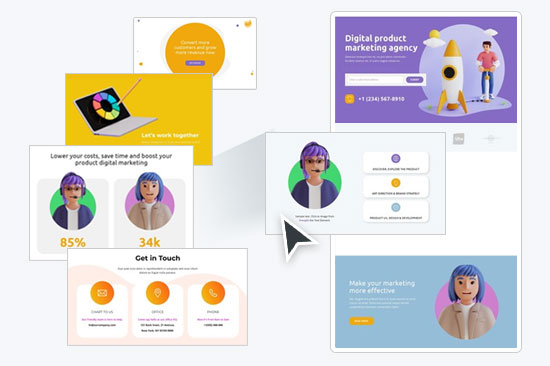
Build your website pages from a wide range of ready-made block designs easily.
Choose block or page designs you like, add to your site pages, and then eite them as you need without coding.
The keyword "target new" in the context of Mallu Aunty and her hot masala desi tamil unseen videos indicates a strategic shift towards digital platforms. Today, entertainers and content creators are increasingly looking to leverage digital media to reach new audiences, share their work, and build a personal brand. For Mallu Aunty and similar figures, digital platforms offer a space to experiment with new types of content, engage directly with fans, and perhaps even push the boundaries of traditional entertainment.
Demonstrated the industry's ability to seamlessly transition between black-and-white period horror and gripping, real-life survival dramas. Conclusion
The adaptation of Thakazhi Sivasankara Pillai’s landmark novel Chemmeen (1965), directed by Ramu Kariat, became a watershed moment. It was the first South Indian film to win the President’s Gold Medal for Best Feature Film. Chemmeen beautifully captured the life, superstitions, and caste dynamics of Kerala's coastal fishing communities. Similarly, the works of Vaikom Muhammad Basheer, M. T. Vasudevan Nair, and P. Kesavadev were frequently adapted, ensuring that early Malayalam cinema remained intellectually grounded and textually rich. The Golden Age: Parallel Cinema and Institutional Critique mallu aunty hot masala desi tamil unseen video target new
The industry has broken box office barriers while maintaining artistic integrity.
The 1970s and 1980s marked a golden age. A powerful parallel cinema movement emerged, driven by visionary directors who rejected commercial formulas. Visionary Directors The keyword "target new" in the context of
Unlike the infallible heroes of Bollywood or Kollywood, the Malayali protagonist was often flawed, vulnerable, and deeply ordinary. Mohanlal’s portrayal of a tragic, unemployed youth in Sathyan Anthikad films or Mammootty’s depiction of toxic masculinity and psychological decay in Vidheyan showcased a cultural willingness to confront uncomfortable societal realities. The humor in these films was rarely slapstick; it was dry, observational, and rooted in the anxieties of a highly literate, middle-class society grappling with unemployment and the Gulf migration boom. The New Wave: Hyper-Realism and Global Recognition
Concurrently, mainstream directors like Padmarajan, Bharathan, and Sathyan Anthikad revolutionized commercial cinema. They crafted middle-class narratives filled with humor, satire, and domestic conflicts. This era also witnessed the rise of two acting powerhouses, Mammootty and Mohanlal, whose versatile performances defined the cultural consciousness of generations of Malayalis. 3. Core Cultural Themes in Malayalam Cinema addressing systemic casteism (e.g.
Despite operating on a fraction of the budget of Bollywood or Tamil cinema, Mollywood pushed technical boundaries. Sound design, realistic lighting, and guerrilla filmmaking tactics became hallmarks of the industry.
Furthermore, Kerala’s unique demographic composition—a relatively equal mix of Hinduism, Islam, and Christianity—is reflected organically in its cinema. Recent films have made conscious strides toward inclusivity, addressing systemic casteism (e.g., Pada ), gender identity, and minority representation far more directly than in previous decades. The emergence of the Women in Cinema Collective (WCC) in 2017 further highlighted a systemic push within the culture to address gender disparity and ensure safer working spaces for women in the arts. Conclusion
┌────────────────────────────────────────────────────────┐ │ Modern Malayalam Cinema │ ├───────────────────────┬────────────────────────────────┤ │ Focus Area │ Key Examples │ ├───────────────────────┼────────────────────────────────┤ │ Hyper-Local Settings │ Maheshinte Prathikaaram │ │ Mental Health Themes │ Kumbalangi Nights │ │ Technical Precision │ Jallikattu, Bramayugam │ └───────────────────────┴────────────────────────────────┘
Build your website pages from a wide range of ready-made block designs easily.
Choose block or page designs you like, add to your site pages, and then eite them as you need without coding.

Search the biggest library of beautiful page and block designs created by our designers for you.
Contact forms, photo galleries, video backgrounds, sliders, and more. Make your sites fabulous and go online instantly. No need to be a designer.
See all templatesGet freedom to implement any of your web design ideas.
Design your site visually like in any graphic editor. Drag-n-drop elements and place them freely.
See all features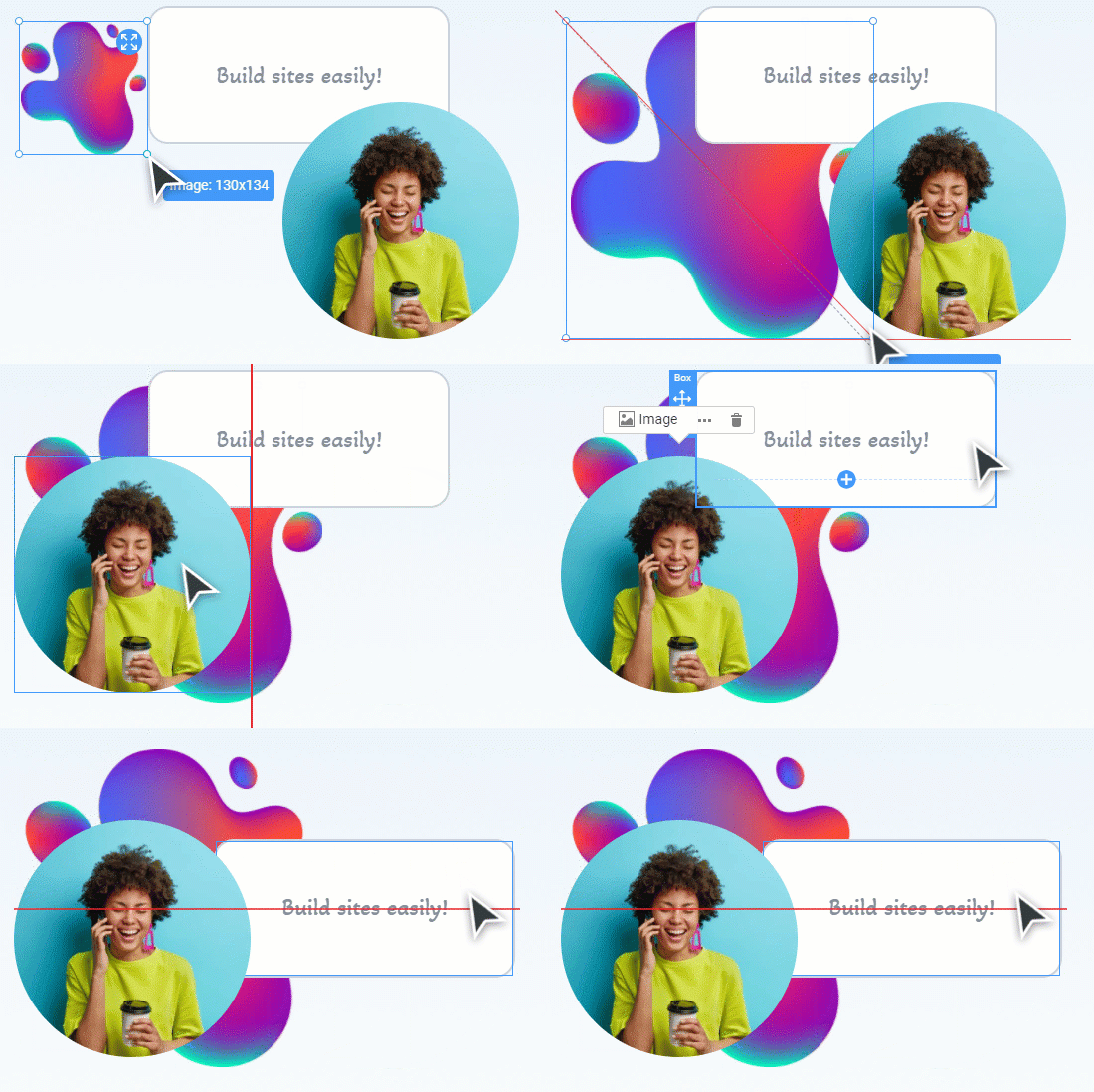

It’s easy to edit the content, replace images, and export your website in just a few clicks.
Export HTML Websites, WordPress Themes, and Joomla Templates from the Application for Windows or Mac OS.
See all featuresCreate desktop view, and get the mobile views automatically.
You get websites and pages that are absolutely mobile-friendly and look perfect in all devices.

If you have any questions about Artisteer or Nicepage, please contact our support.