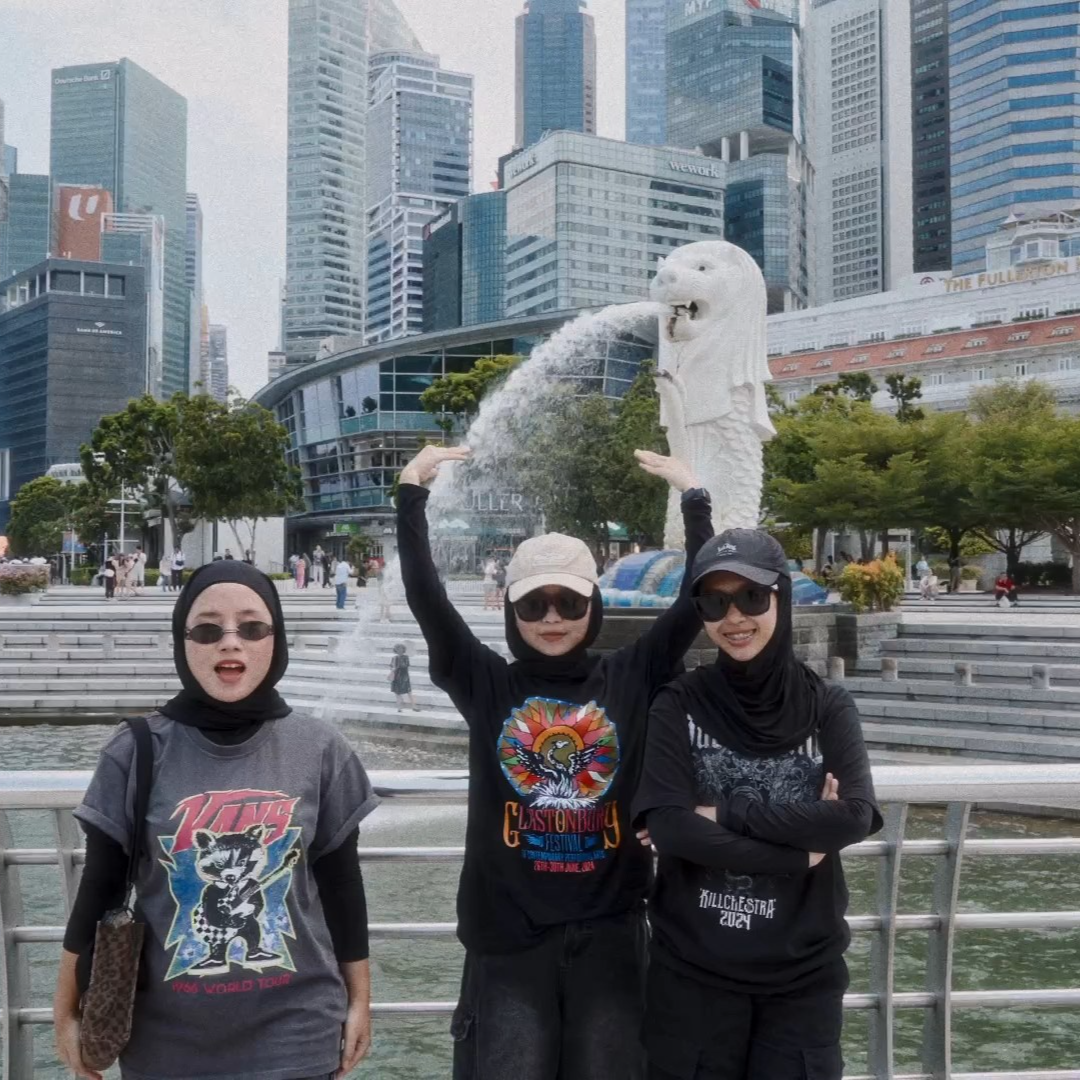
A list of festivals and concerts to be held soon! You can buy the latest concert tickets here!

|
Fri, 26 Jun 2026COPENHELL 2026
Venue : Copenhell Festival Refshaleøen Refshaleøen. Refshalevej 173c, 1432 København, Denmark, Denmark Tickets |
Single and all music albums we released between 2014 and 2026!
The foundations for future success were also being laid: it was a conscious, self-aware process of building a discerning audience that would become a hallmark of the Malayali film culture.
In the 1950s and 1960s, the industry transitioned from mythological dramas to powerful social realism. Landmark films like Neelakuyil (1954) addressed the rigid caste system, untouchability, and feudalism. Based on a story by legendary writer Uroob, the film utilized local dialects and authentic rural backdrops, setting a precedent for realism.
In recent years, a new generation of filmmakers has triggered a global resurgence of Malayalam cinema, often referred to as the "New Wave."
In the lush, rain-soaked landscapes of India’s southwestern coast lies a cultural paradox. Kerala, often dubbed "God’s Own Country," boasts a 99% literacy rate, a matrilineal history, and a communist government elected democratically every few years. Yet, its most potent cultural ambassador is not a political figure or a backwater houseboat—it is the Malayalam film industry, lovingly known as Mollywood. sexy desi mallu hot indian housewifes girls aunties mms hot
The visual language of Malayalam cinema is heavily dictated by Kerala’s geography. The lush green landscapes, labyrinthine backwaters, monsoon rains, and traditional naalukettu (courtyard) houses are not just backdrops—they function as characters.
This literary grounding creates a unique cinematic grammar. In a typical Bollywood blockbuster, conflict is resolved via a fistfight. In a classic Malayalam film, conflict is resolved—or deepened—via a three-minute monologue delivered in slow, poetic Malayalam while staring at a rain-smeared window.
Chemmeen (1965), based on Thakazhi’s novel, won the National Film Award for Best Feature Film. It beautifully captured the myths, taboos, and lives of the coastal fishing community of Kerala. The 1970s and 1980s saw the rise of parallel cinema led by Adoor Gopalakrishnan and G. Aravindan, whose films ( Swayamvaram , Elippathayam ) dissected Kerala's feudal decay and patriarchal structures with clinical precision. The foundations for future success were also being
Films like Chemmeen brought iconic Malayalam novels to life, blending tragic romance with the salty life of the fishing community.
explores the fractured masculinity of four brothers living in a fishing village on the outskirts of Kochi, addressing mental health and progressive definitions of family.
Directors, writers, and actors have pushed Malayalam cinema into the global spotlight via streaming platforms. Based on a story by legendary writer Uroob,
The intellectual depth of Malayalam movies stems from Kerala’s high literacy rate and a longstanding culture of film societies
: Classic and contemporary films capture the essence of rural Kerala. They feature monsoon rains, winding backwaters, green paddy fields, and traditional Tharavadu ancestral homes.
This era reflected the shifts in Kerala's socio-economic landscape. With the rise of the "Gulf Boom"—where thousands of Malayalis migrated to the Middle East for work—the structure of the traditional Kerala family began to change. Films like Varavelpu and Nadodikkattu humorously yet poignantly addressed unemployment, the struggles of the expatriate, and the collapse of the agrarian economy.
In recent years, a new generation of filmmakers has triggered a global resurgence of Malayalam cinema, often referred to as the "New Wave."
The latest VoB news is up to events in our concerts here! Welcome to the VoB world!
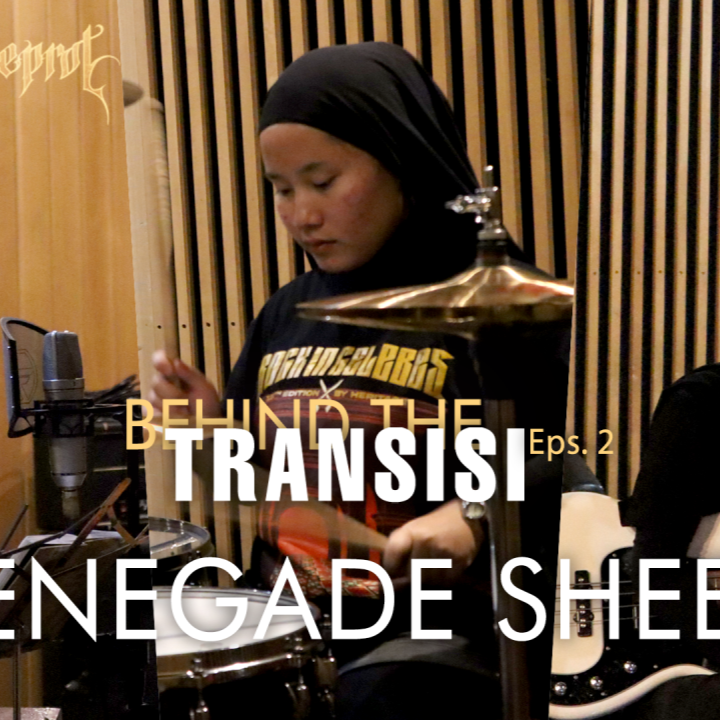
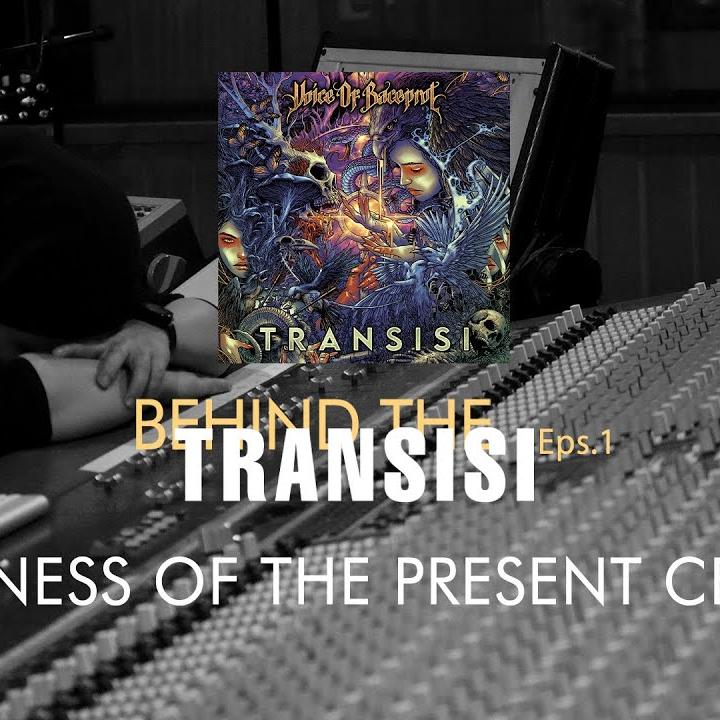
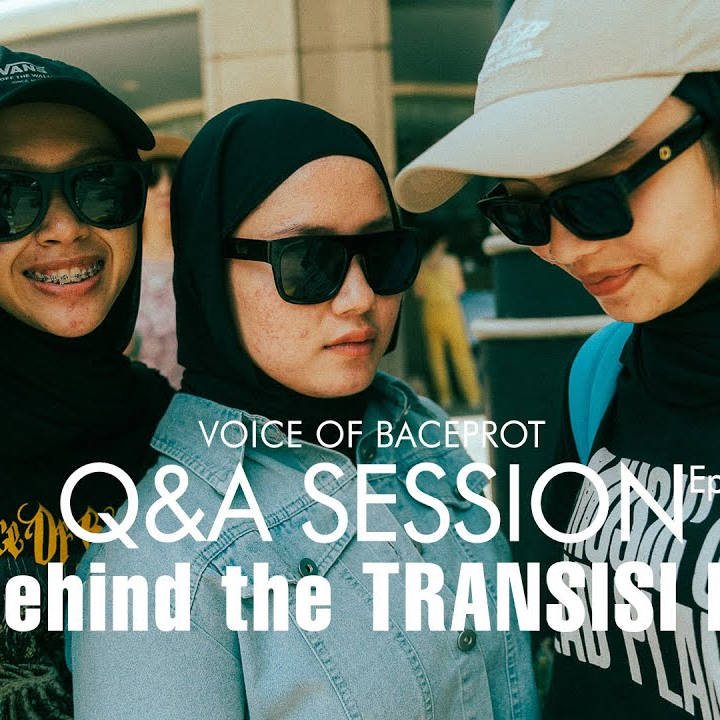
Our latest videos on our official Youtube channel! Don't forget to subscribe!
Listed below our awesome store items! We design custom merchandise for our awesome fans!